A custom oral appliance that gently positions your jaw forward at night can quiet snoring and help with mild to moderate sleep apnea without a CPAP machine.
A custom appliance that opens your airway while you sleep
A custom appliance that opens your airway while you sleep
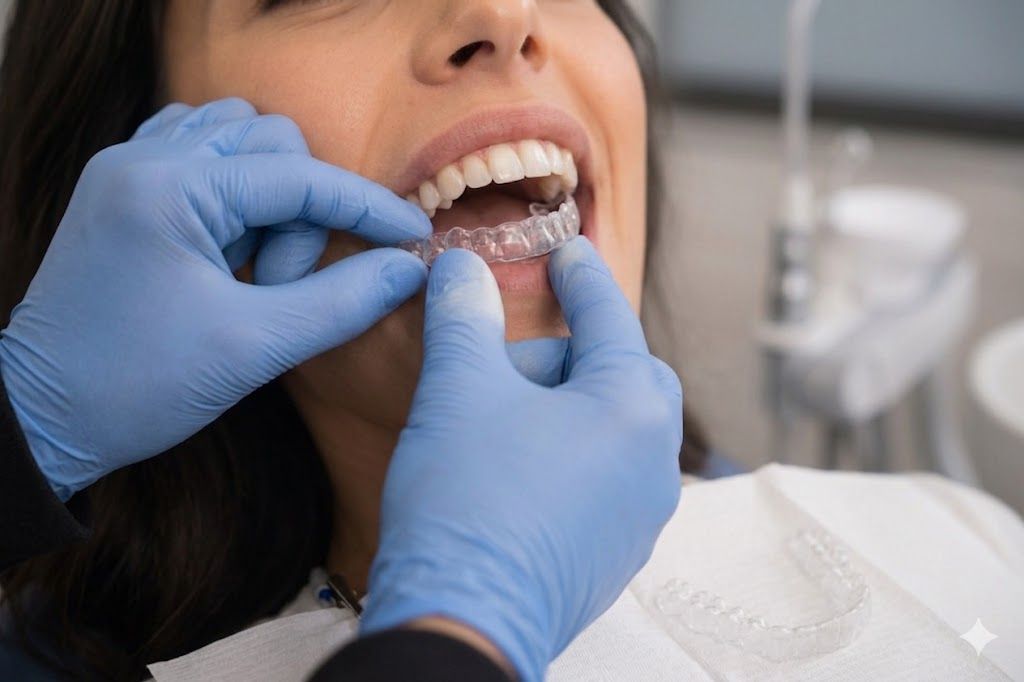
Snore guards and oral appliances are small, custom-fit devices worn at night. They gently move the lower jaw slightly forward, which opens the airway behind the tongue and reduces the vibration that causes snoring. For patients with mild to moderate sleep apnea or patients who cannot tolerate a CPAP they can be a real solution.
How an oral appliance is different from a night guard
A night guard protects the teeth from grinding. An oral appliance addresses the airway. They look similar at first glance, but they are designed for different problems and are made differently. Some patients need both and we can plan for that.
3D-printed, custom-made, in-house
We print snore guards and oral appliances in our office on a Sprint Ray Pro 2 with the Midas printer. That means the fit is precise to your scan, the turnaround is faster, and adjustments can be made without sending the appliance off to a lab. The end result is a device that is comfortable enough you actually wear it every night which is the whole point.
Why this matters for patients who cannot tolerate CPAP
CPAP works well for many people, but plenty of patients cannot adjust to the mask, the noise, or the air pressure. An oral appliance is quiet, simple, and easy to travel with. For mild to moderate cases, it can be the difference between treating the problem and ignoring it.
What is a snore guard or oral appliance?
A snore guard is a custom-fit dental device worn at night that gently positions the lower jaw forward to keep the airway open. It reduces or eliminates snoring and can treat mild to moderate sleep apnea. At Tatum Dentistry, we 3D-print snore guards and oral appliances in-house for a precise fit.
Does wearing a snore guard hurt?
There is an adjustment period of a few days to a couple of weeks where your jaw and teeth get used to the appliance. Most patients describe it as a strange feeling at first, not pain. Once you adjust, the appliance should feel comfortable enough to wear every night without a second thought.
How long does it last?
With proper care, a custom 3D-printed oral appliance typically lasts several years. We check it at your regular visits to make sure the fit is still right and the appliance is still doing its job. If your bite changes or the appliance wears down, we can replace it.
See Why Charleston Loves Us
➔ Two kind and highly-skilled dentists
➔ Decades of experience
➔ A team that’s been together a long time
➔ Personal care with your comfort in mind
Frequently Asked Questions
Do I need a sleep study before getting an oral appliance?
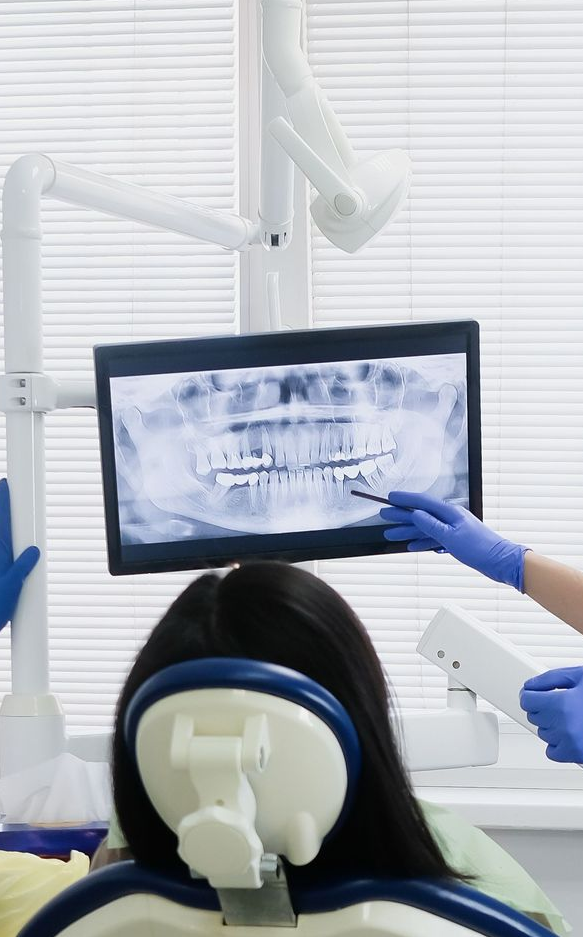
For snoring alone, not necessarily. For sleep apnea, yes — a sleep study confirms the diagnosis and gives us the information we need to make the right appliance for your case. If you have not had a sleep apnea screening yet, that is the place to start.
Can I use this instead of my CPAP?
That is a conversation between you, your sleep physician, and us. For mild to moderate sleep apnea, oral appliances can be a primary treatment. For more severe cases, an oral appliance may be a backup for travel or for nights when CPAP is not practical. We will help you think it through with your sleep doctor’s input.
Will it change my bite?
An oral appliance can cause small bite changes over time because it positions the jaw differently at night. We watch for this at every checkup and address it early. For most patients, the trade-off — better sleep, quieter nights, healthier breathing — is worth it. We will be honest with you about what to expect.
Discover Fun Dental Tips & Tricks!
From Our Blog We write about smile makeovers we have done, what to expect from veneers, why whitening should come first, and how to know which option fits your goals.