A conservative middle ground when a filling is not enough and a crown is too much.
A Conservative Way to Save a Tooth
The middle option you may not know about
When a tooth has too much damage for a filling but the rest of the structure is still strong, an inlay or onlay can be the smarter choice. Both are custom-made restorations bonded into the tooth an inlay sits inside the cusps, an onlay covers one or more cusps. They preserve more of your natural tooth than a full crown does.
How we make them
We numb and isolate the tooth, remove the decay or old filling, and capture the prep with a digital scan. The lab fabricates a custom ceramic restoration that fits your tooth precisely.
At a follow-up visit, we bond it in, polish it, and check the bite. The result is a strong, sealed tooth that should look like nothing happened.
Why patients tend to prefer them
Inlays and onlays last longer than large fillings, look better than older silver work, and let you keep more of your own tooth than a crown would.
They are not the right answer for every case, but when they are, they are quietly one of the most durable, conservative options in dentistry.
What is the difference between an inlay and an onlay?
An inlay fills the area between the cusps (the points) of your tooth like a precise, custom-fit filling. An onlay covers one or more of the cusps as well. Both are made in a lab from tooth-colored ceramic and bonded in place.
At Tatum Dentistry, we use them when the damage is too much for a regular filling but a crown would remove more tooth than necessary.
How much do inlays and onlays cost in Charleston, SC?
Cost depends on the size, material, and which tooth is involved. They typically run more than a filling and less than a crown. We will give you a clear price before we start, send paperwork to your insurance company as a courtesy, and walk through CareCredit if it helps.
Do inlays and onlays hurt?
The appointment is similar to a filling or crown we use local anesthesia and offer nitrous oxide in every room. Most patients are comfortable throughout. You may feel a little sensitivity for a few days after, especially with the temporary, but that fades quickly once the final restoration is bonded in.
How long does the process take?
Plan on two visits, usually two to three weeks apart. The first visit is the prep, the digital scan, and a temporary. The second visit is bonding in your custom restoration and adjusting the bite. Each appointment is shorter than most people expect.
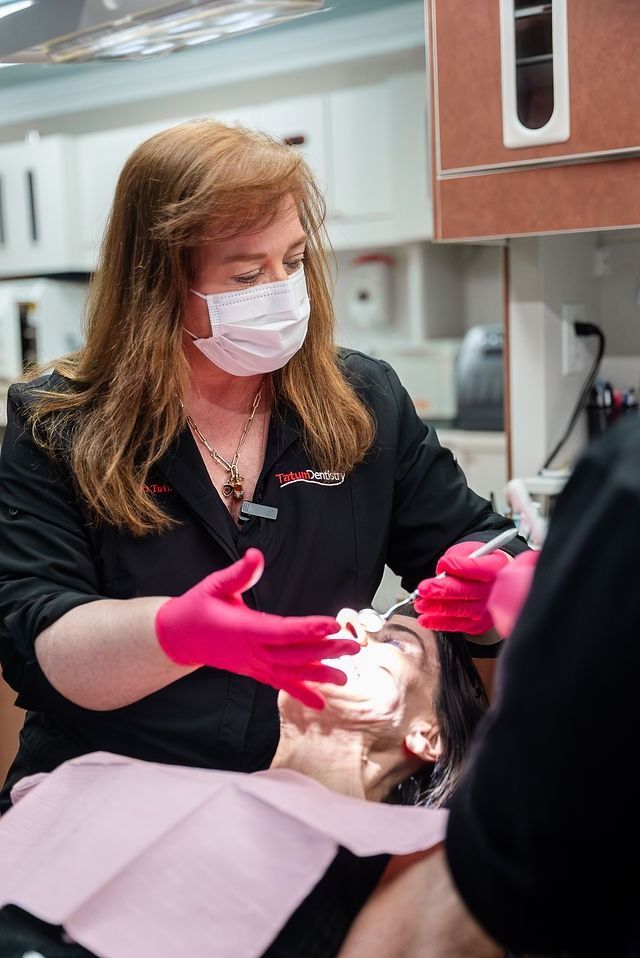
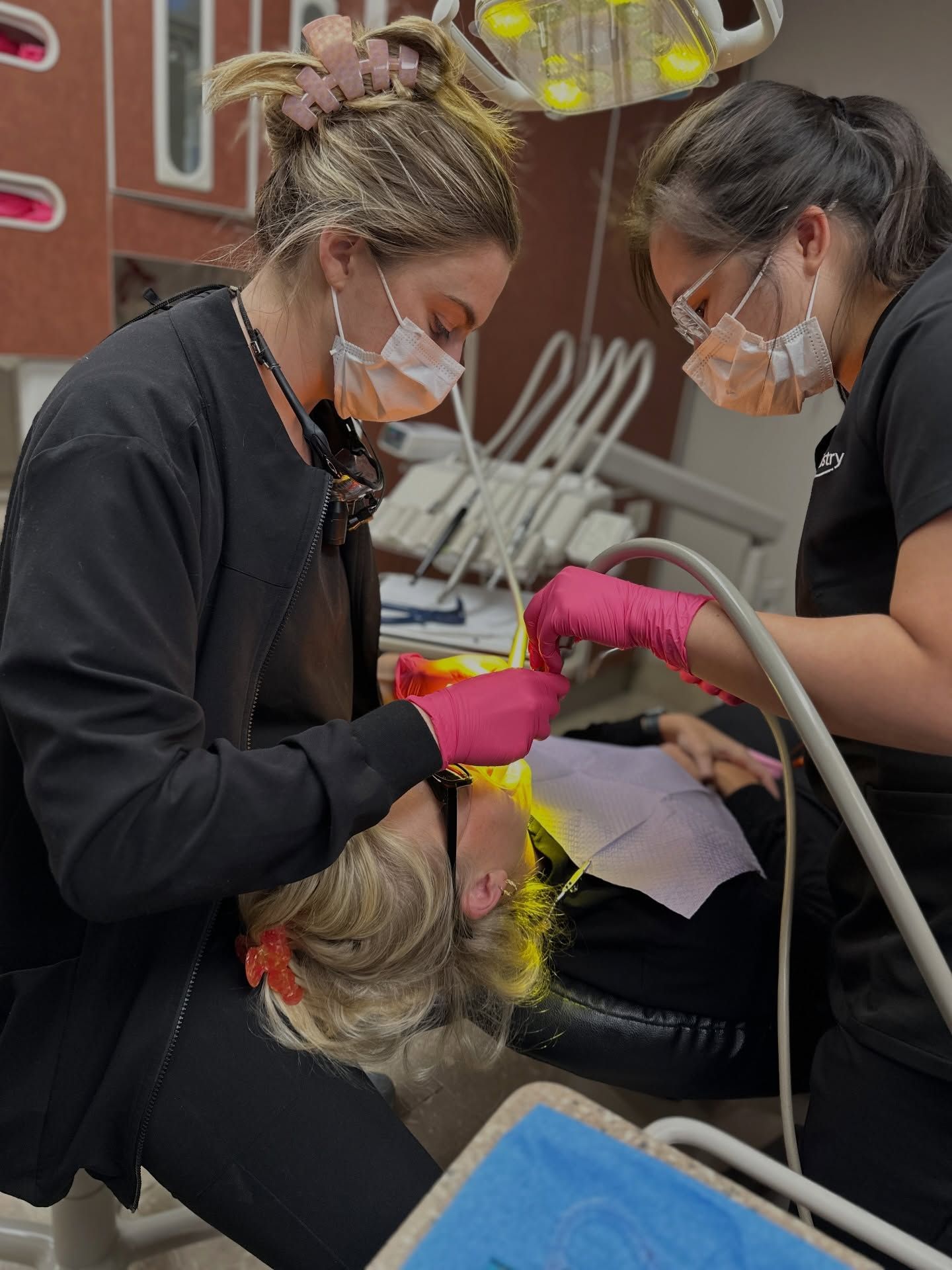
See Why Charleston Loves Us
➔ Two kind and highly-skilled dentists
➔ Decades of experience
➔ A team that’s been together a long time
➔ Personal care with your comfort in mind
Frequently Asked Questions
How long do inlays and onlays last?
With good care, ceramic inlays and onlays commonly last 15 to 20 years or longer. They are bonded directly to the tooth, which makes them very stable. Like any restoration, the lifespan depends on your bite, your home care, and how regularly you come in for cleanings.
Why not just do a filling?
Large fillings can flex over time and start to crack the tooth around them. When the damage is too big for a filling to support, an inlay or onlay seals and reinforces the tooth in a way a filling cannot. We will tell you honestly which is right for your case.
Are inlays and onlays covered by insurance?
Most dental insurance plans cover inlays and onlays similarly to other restorations, though the percentage varies by plan. We send paperwork to your insurance company as a courtesy and most PPO patients receive partial reimbursement.
Will it match my tooth?
Yes. The ceramic is shade-matched to your surrounding teeth, and the lab shapes it to fit the contours of your bite. Once bonded in, an inlay or onlay should look like part of the tooth — not a repair.
Discover Fun Dental Tips & Tricks!
From Our Blog We write about smile makeovers we have done, what to expect from veneers, why whitening should come first, and how to know which option fits your goals.